THE STONE INDEPENDENT SCHOOL
STEM at Stone
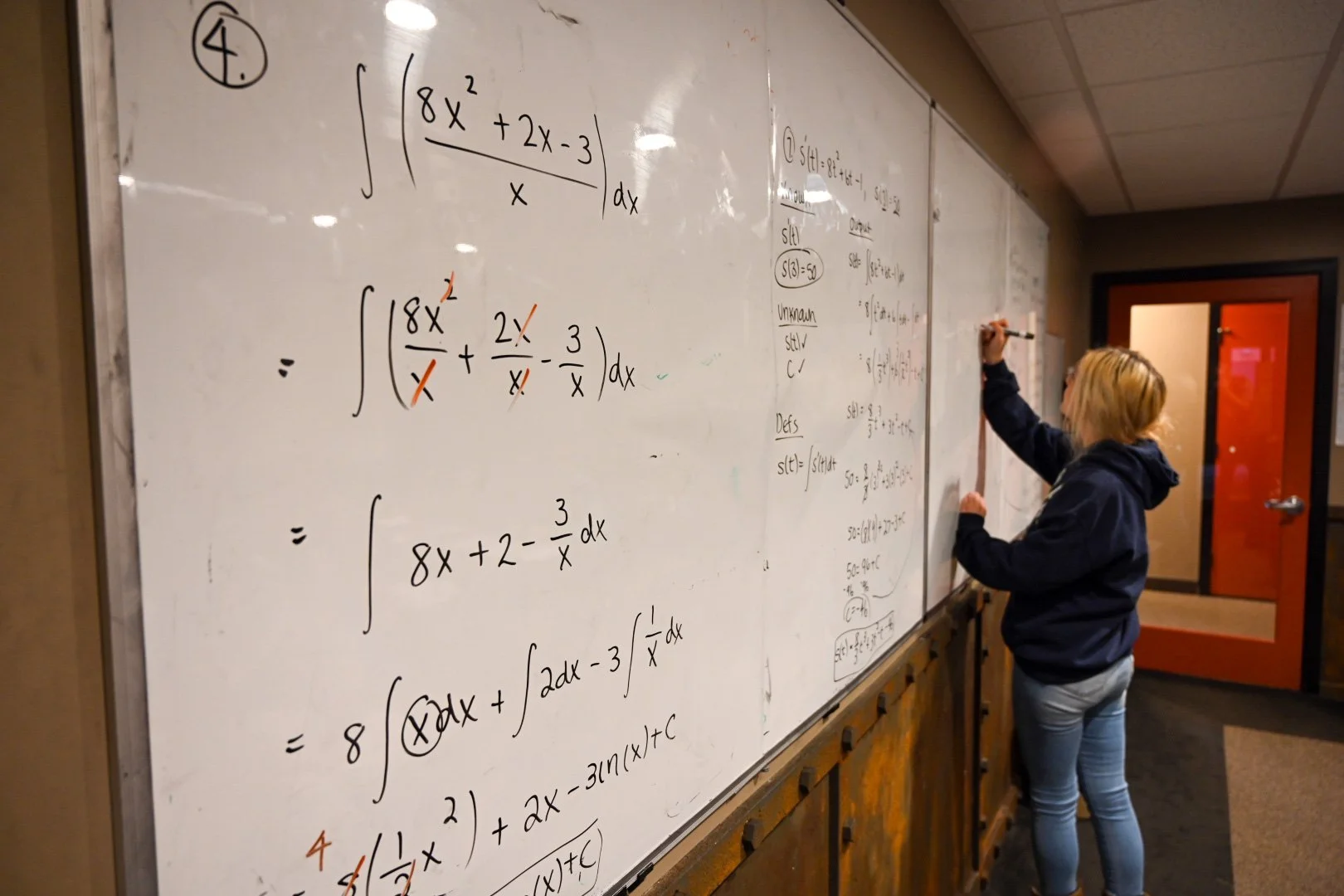
A student in a STEM course at Stone will be inspired by the complexity of the problems they are asked to solve.
The ultimate intent of coursework in any subject at Stone is to understand a broad interdisciplinary goal. Our goals are similar to “Big Ideas” and “understandings” in UbD (does this need to be explained for the public?) in that they establish a wider conceptual framework than the course content.
The interdisciplinary learning goals simply our four frameworks: the Aristotelian Triangle; systems thinking, design thinking, and entrepreneurial thinking. We are interested in identifying the transferable higher order thinking skills that students practice in the course. To do so, we ask: Why does it matter that students take this course? What problem is being solved, and what thinking skills are involved? Why is this important to problem solving? How does this course help students in life? How is this content applied in the real world? What couldn’t we do if we didn’t learn this? How will this way of thinking show up in other disciplines or jobs?
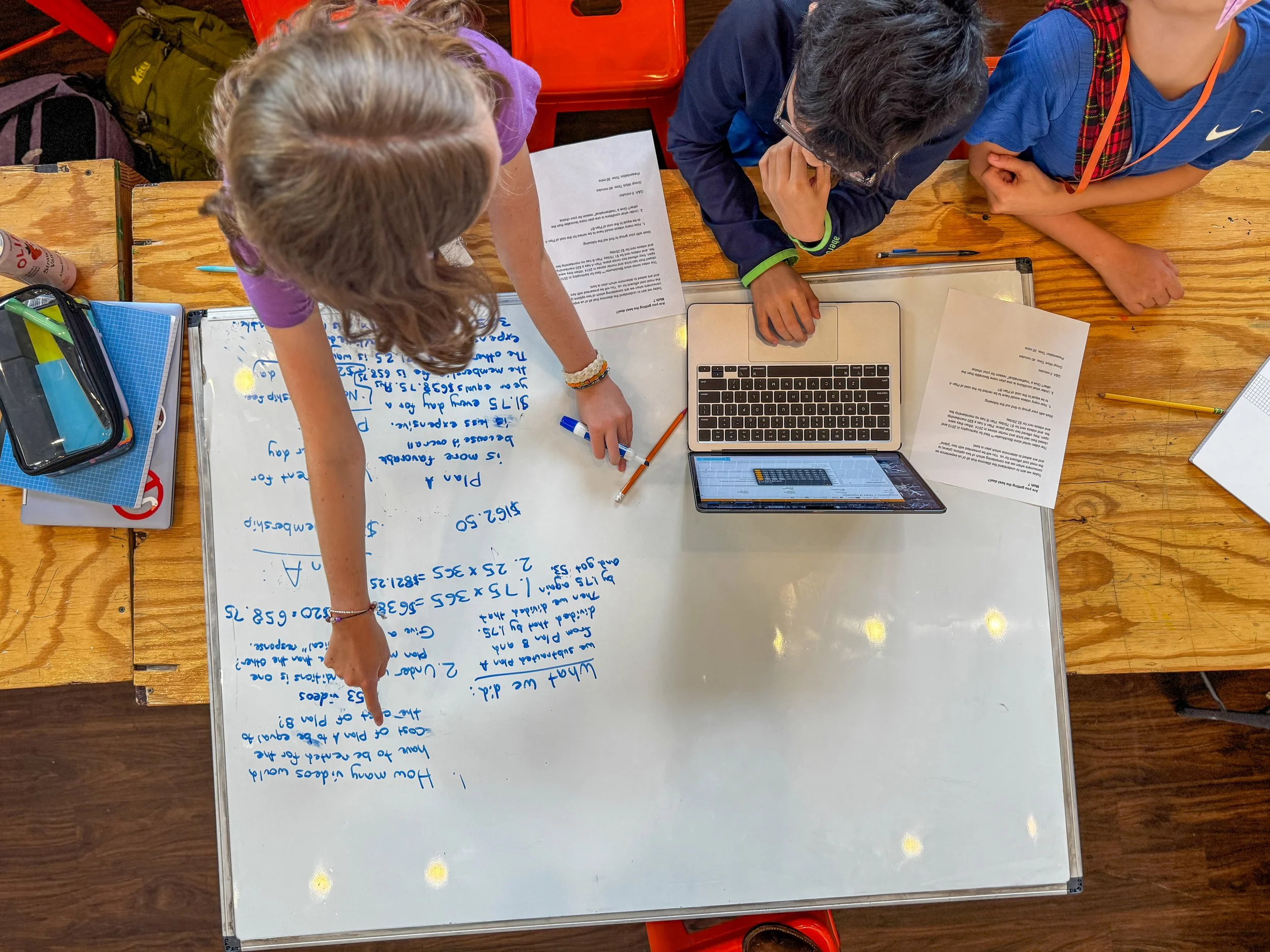
We believe that the application of skills is the primary act of learning. We do not wait for a far-off time where students will finally know enough to be able to do something with their understanding. The Problem-Based Learning pedagogical approach sees the “doing” as the vehicle through which learning occurs in the classroom. We design our courses as powerful units of learning that hinge on a problem to be solved.
STEM at Stone Operates in 4 Spheres.
Abstract Problems
Artifacts
Feedback, Rigor & Iteration
Skills
Artifacts
Abstract Problems.
An abstract problem is one that is more like an ever present question, such as “How do we best persuade an audience?’ or “How do we optimize a chemical procedure?”. These types of problems can have specific perimeters and outcomes and do not remain abstract.
Abstract problems are wonderful for fostering explicit conversation around topics like modeling, systems thinking, research methods, metacognition, and epistemology.
These concepts and the accompanying thinking skills are ultimately abstract and the context of the course (and its content) is a lens through which we think about how we solve problems.
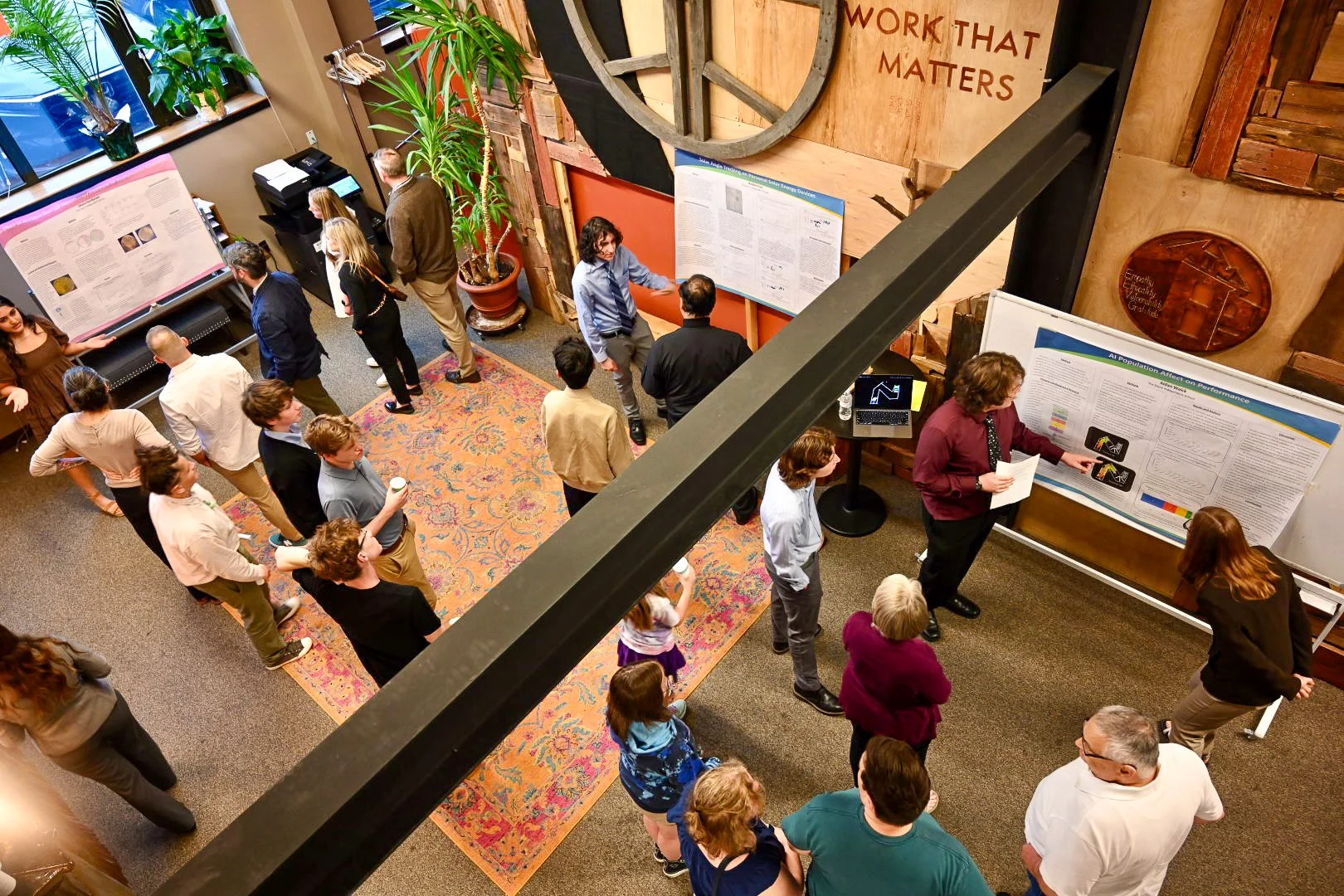
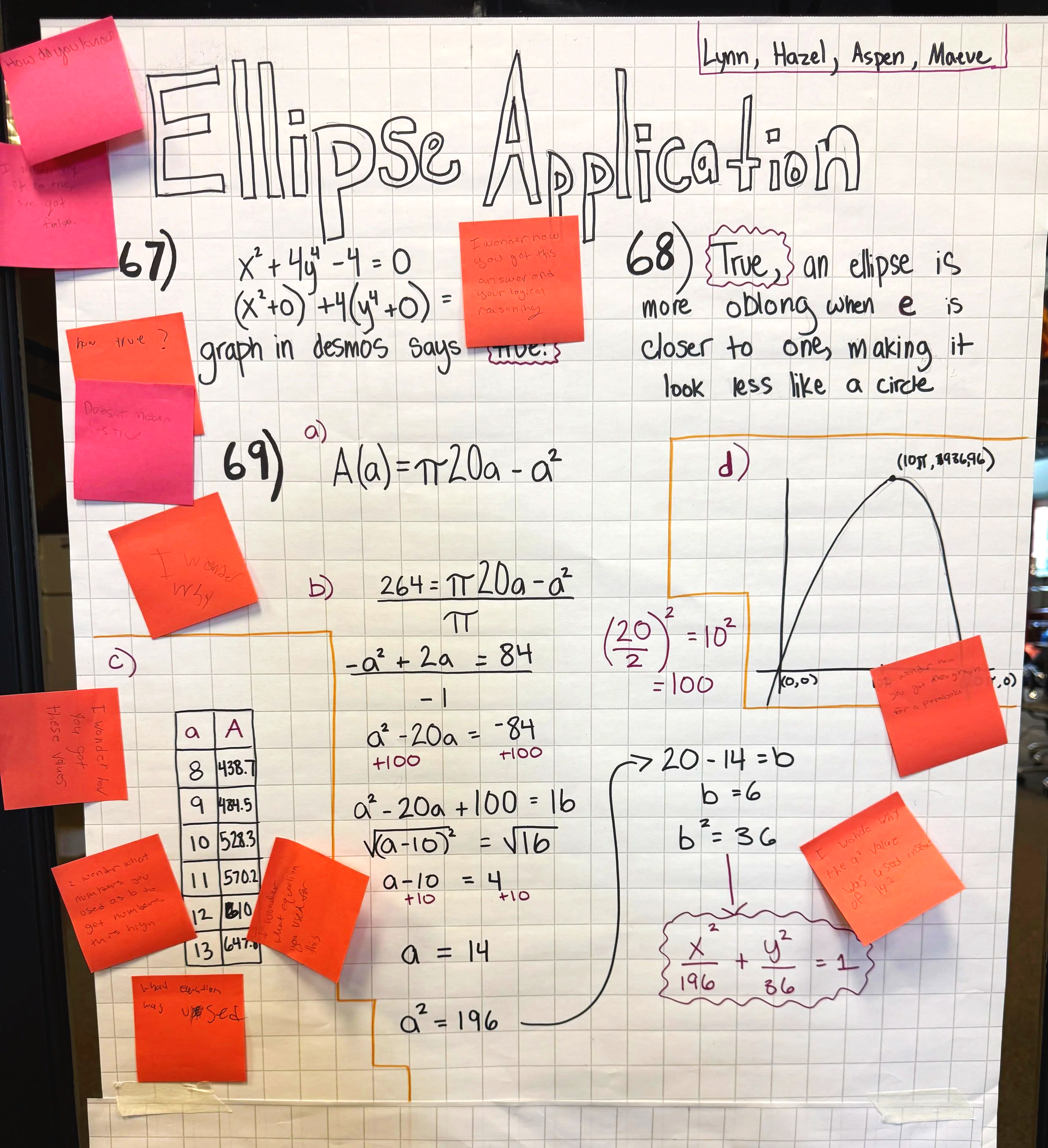
Our students choose artifacts that provide meaningful work in order to showcase the evidence of skill acquisition. We also want artifacts that teach students how a discipline communicates their work and call this type of product an “authentic artifact.”
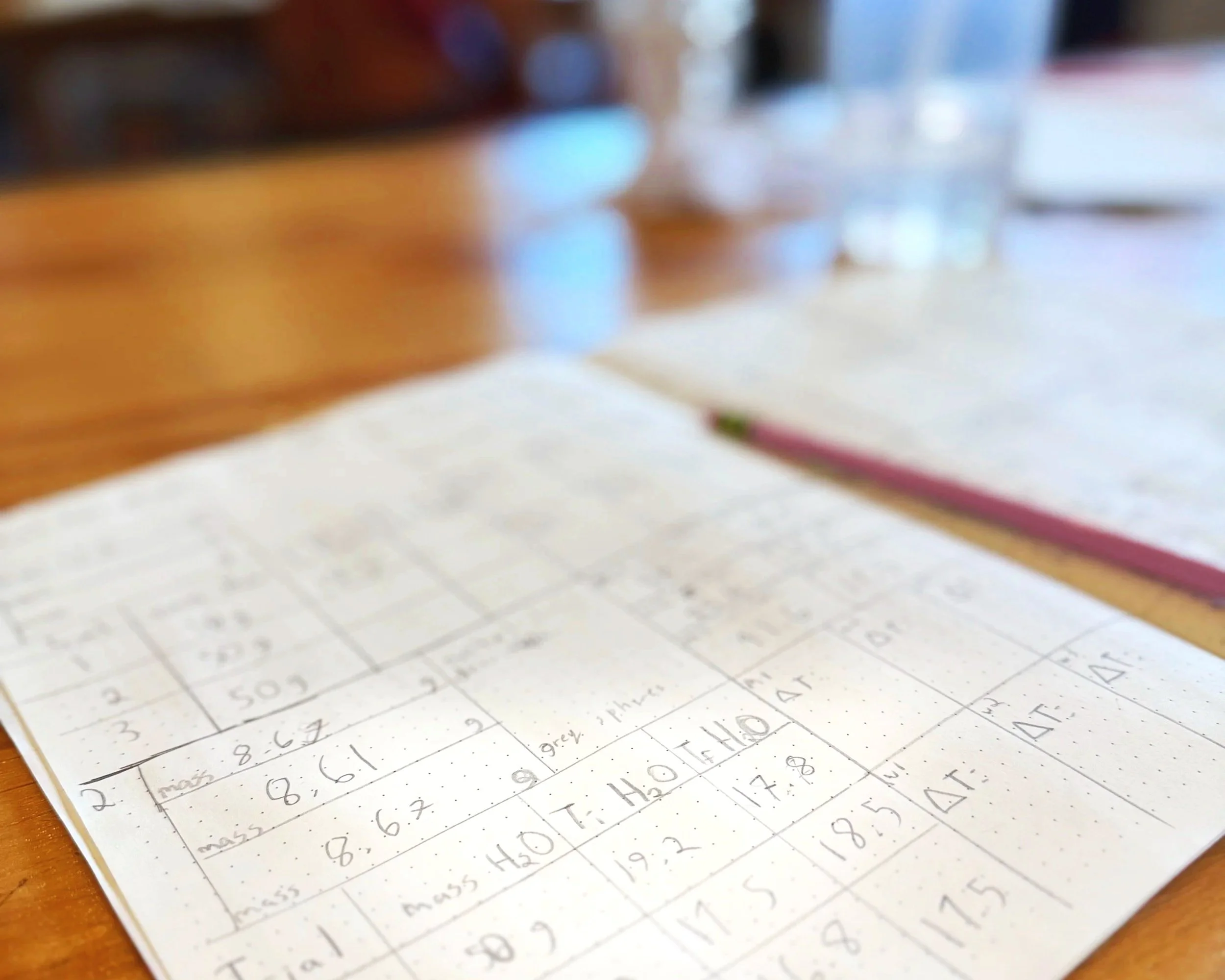
For example, experimental design and outcomes can be authentically displayed in a lab report or scientific poster since these are the common communication tools of a scientist’s process.
An authentic artifact offers space in the classroom to notice aspects of communication such as organization, clarity, audience engagement, and formatting that may not have to do with the content at hand, but are transferable communication tools. Artifacts might also demonstrate the way in which people collaborate and demonstrate leadership and teamwork within a discipline.
For example, a stand-up meeting in an engineering project transfers information between team members efficiently and necessitates the understanding of how the student’s personal work adds to the greater project.
The selection of an authentic artifact sets the processes by which the class will model how the discipline works together and communicates.
Feedback, Rigor & Iteration
How do we choose the method of feedback and design for students to have the opportunities and reason to iterate?
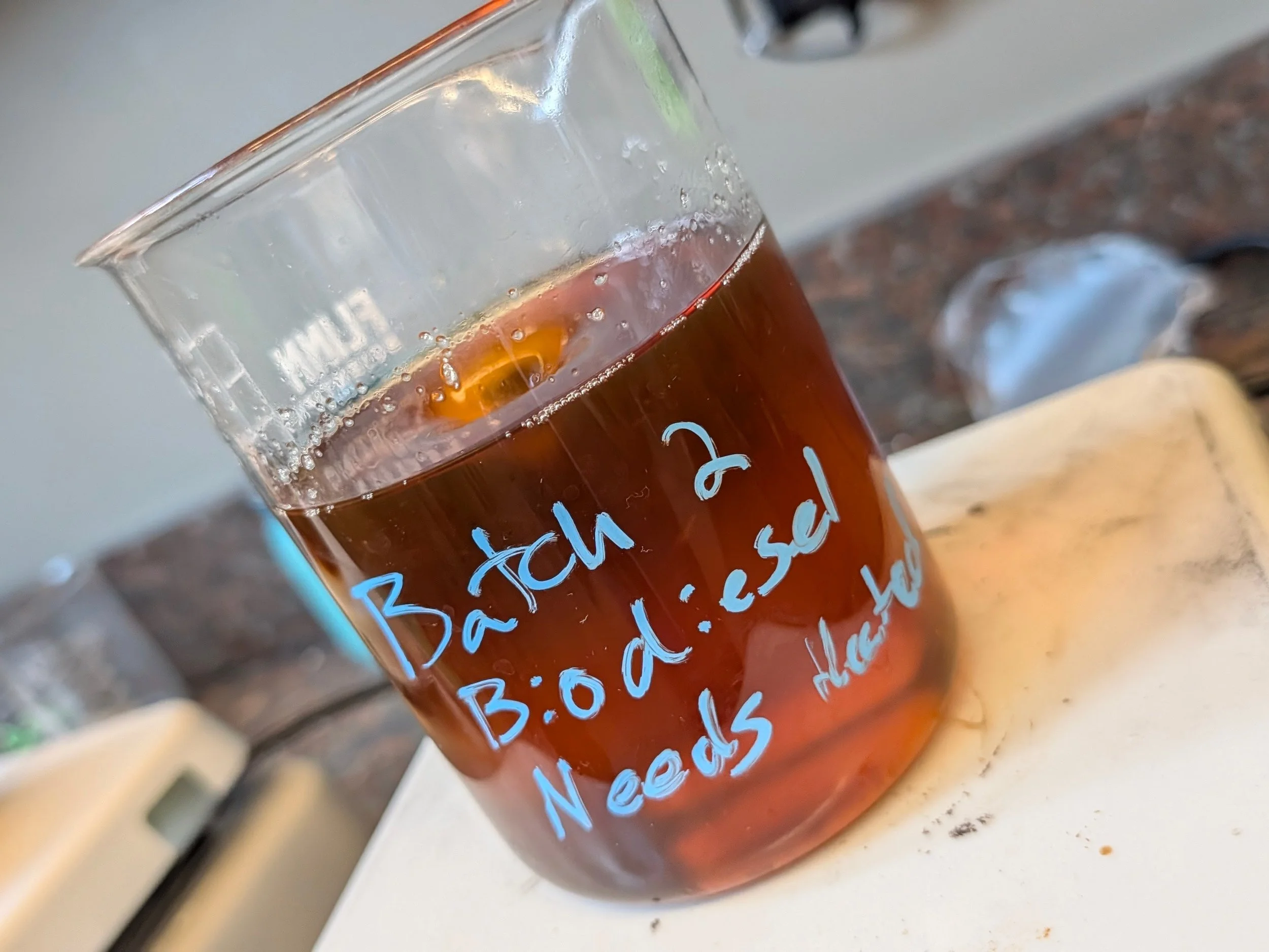
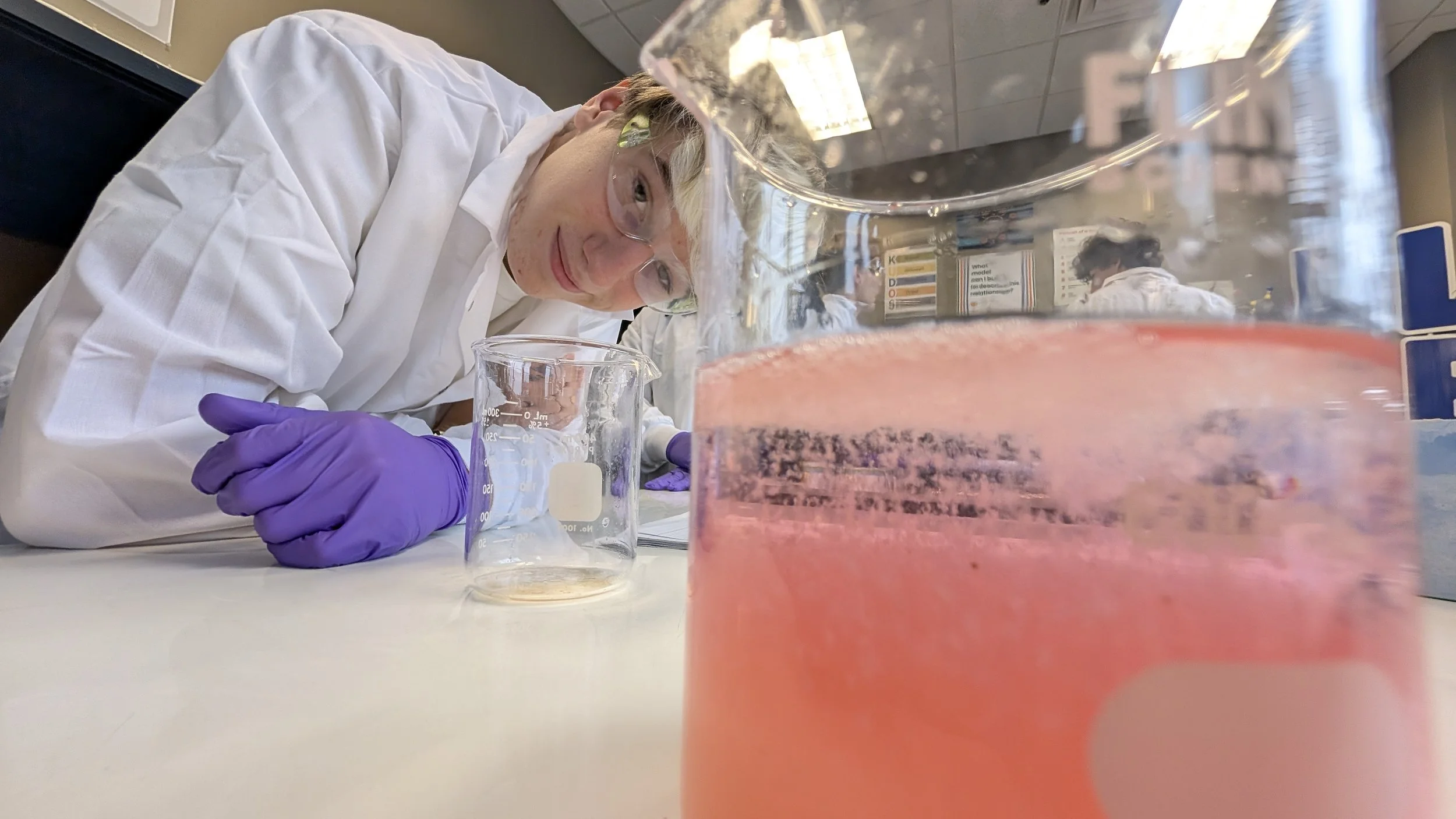
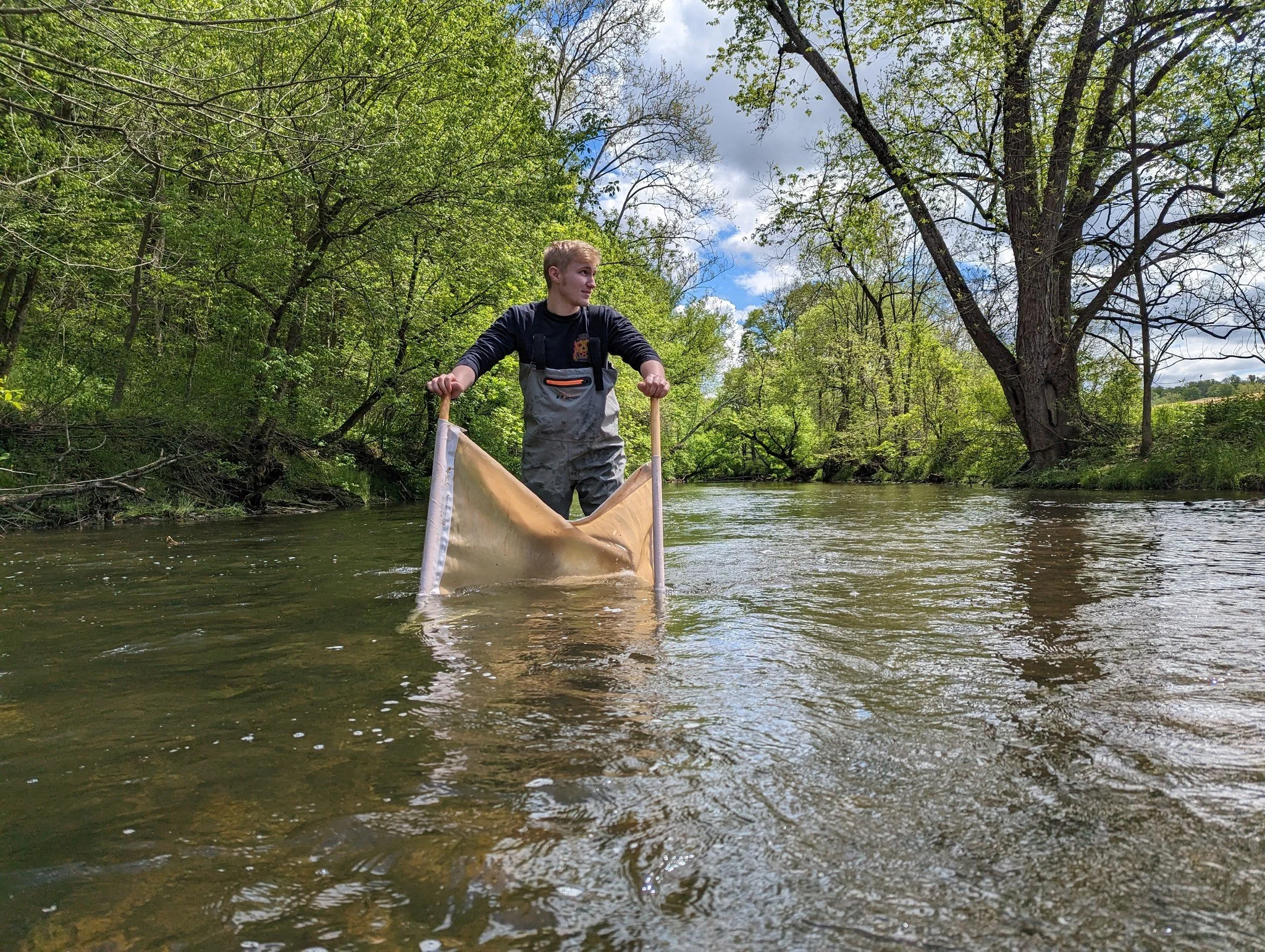
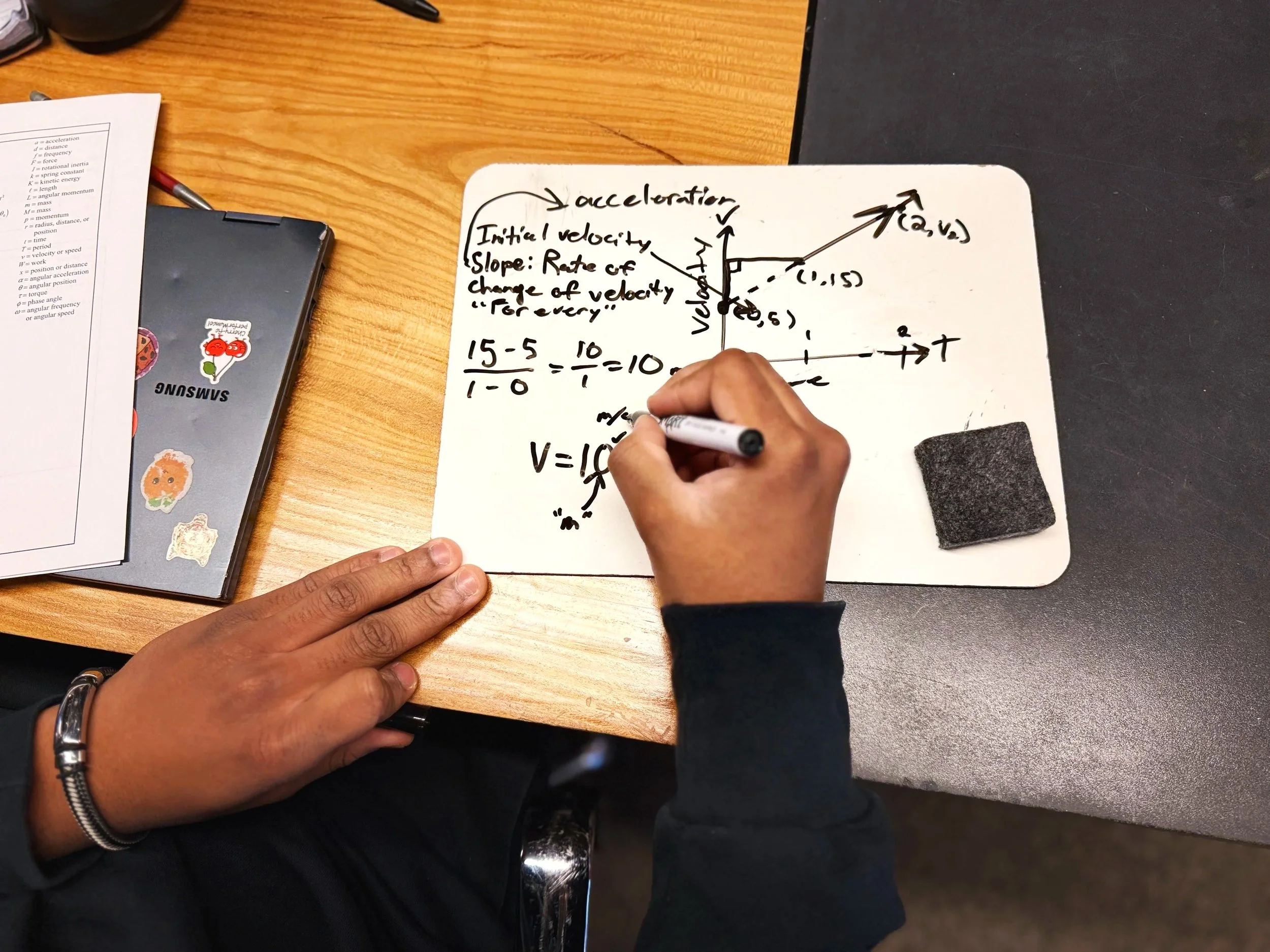
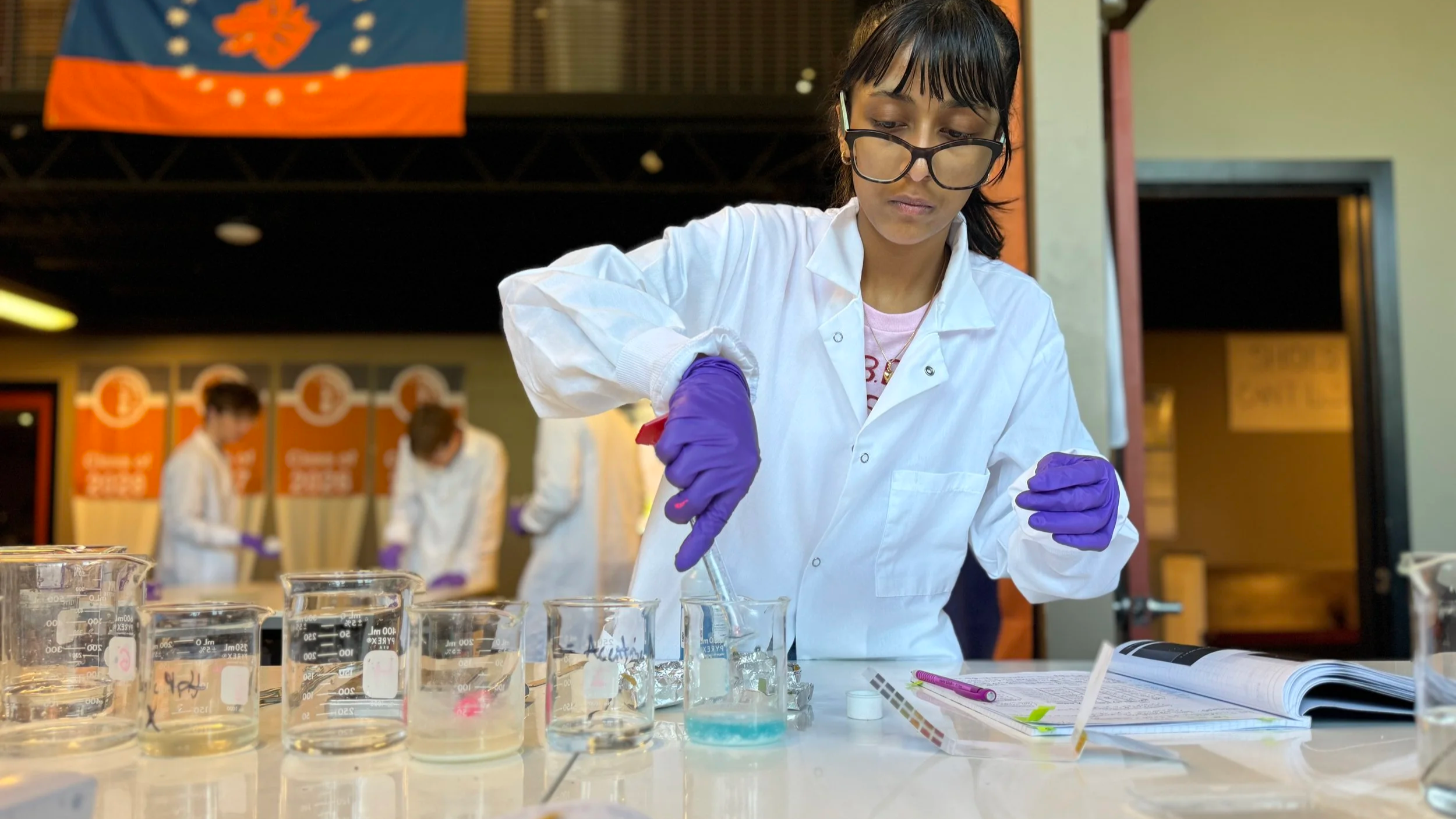
Students are not given procedures to follow for a lab; they learn whatever theories they need to formulate research questions and then design an experiment as a response to a problem. Giving them lab procedures is cutting out the design process — but we highlight that piece of the lab experience at Stone and therefore spotlight scientific reasoning about what evidence is or is not acceptable.
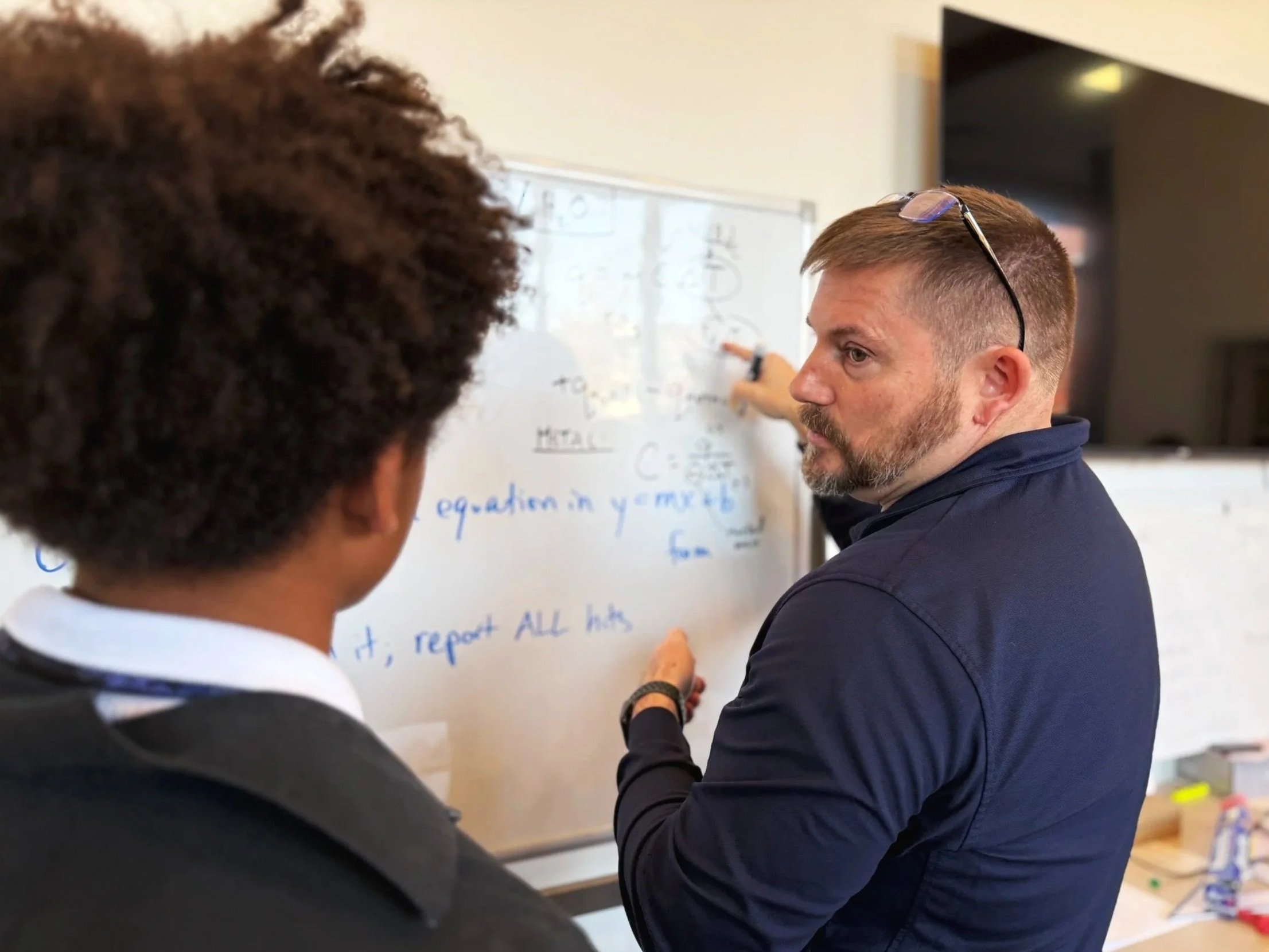
They solve problems by collecting and analyzing data from their designed experiment. This is very difficult work — and it is daunting as a teacher to realize you have to be in that moment of uncertainty with the student - that you have to be uncertain, and that you have to experience the research. And - as the teacher you have to be an extraordinarily flexible and empathetic research partner to every student. As a research mentor, the teacher has to decide when to suggest a better method or when to push for more sophistication, or when to challenge the student to iterate on their own and report back.
When students have wise mentors who know how exploration feels, who understand the course content, and who model navigating uncertainty, students become powerful scientific thinkers.
Course Guide.
Quick intro copy about STEM courses here.
Subhead
-
Science 7
Physics 7
Engineering 7
STEAM 7
Math 7Science 8
Physics 8
Engineering 8
STEAM 8
Math 8 -
Geometry (3 Mods)
Required for 9th grade students or as determined by placement.Algebra II (4 Mods)
Required for 10th grade students, or as determined by placement.Statistics (1 Mod)
Prerequisite: Algebra IIDiscrete Mathematics (1 Mod)
Prerequisite: Algebra IIPrecalculus A (Trigonometry) (1 Mod)
Prerequisite: Algebra IIPrecalculus B
(Analytic Trigonometry) (1 Mod)
Prerequisite: Algebra II, Precalculus APrecalculus C
(Advanced Functions) (1 Mod)
Prerequisite: Algebra II, Precalculus A, Precalculus BFundamentals of Calculus (2 Mods)
Prerequisites: Precalculus A, B, CCalculus A/B (2 Mods)
Prerequisites: Strong command of Algebra II, Precalculus A, B, CMath Modeling (1 Mod)
Prerequisites: Calculus A,BCalculus C (1 Mod)
Prerequisites: Calculus A/B
and Analytic GeometryLinear Algebra (1 Mod)
Prerequisite: Calculus A,BMultivariable Calculus (1 Mod)
Prerequisite: Calculus A/B.
Linear Algebra preferred.
Statistical Narratives (1 Mod)
Prerequisite: Algebra IISAT/ACT Test Prep (1 Mod)
Open to all Upper School students -
Physics 9 (3 Mods)
Required for 9th grade students.Chemistry 10 (3 Mods)
Required for 10th grade students.Biology 11 (2 Mods)
Required for 11th grade students.Waves, Sound and Quantum Mechanics (3 mods)
11th and 12th grade only | Prerequisites: Strong command of Algebra II; Co-requisite: Precalculus A, BAdvanced Chemistry (3 Mods)
Prerequisite: Chemistry 10Advanced Biology (3 Mods)
Prerequisite: Biology 11Advanced Physics (3 Mods)
Prerequisite: co-enrollment in CalculusEngineering 11/12 (3 Mods)
11th and 12th grade only -
Wayfinding (1 Mod)
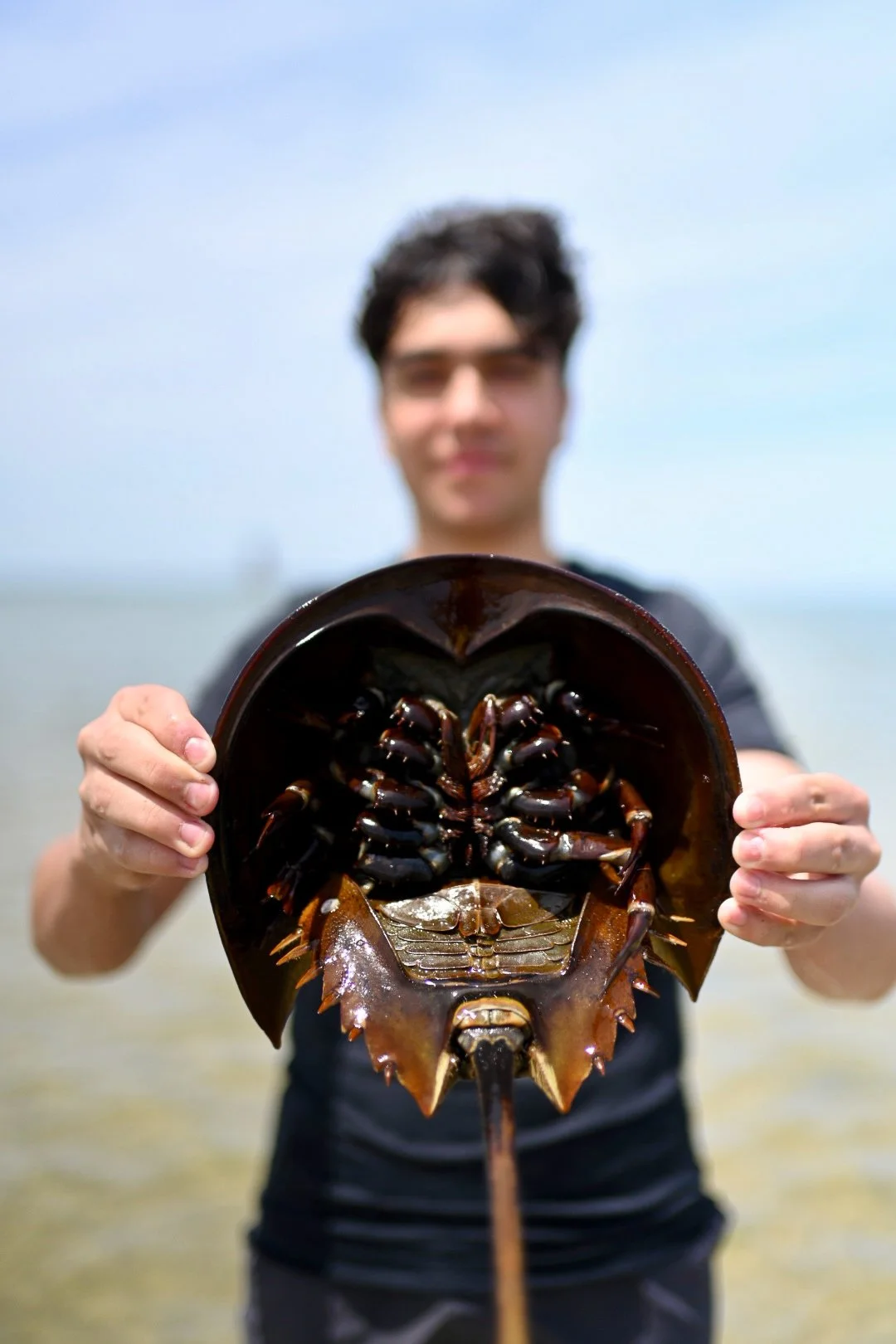
Marine Biology
Open to all Upper School studentsThe Science of SCUBA (1 Mod)
Open to all Upper School studentsHuman Biology: Sleep
Open to all Upper School studentsHuman Biology: Addiction
Open to all Upper School studentsAstronomy: The Night Sky (1 Mod)
Open to all Upper School studentsAnatomy & Physiology: Wilderness First Aid (1 Mod)
Prerequisite: BiologyWatershed (1 Mod)
Prerequisite: StatisticsWatershed II (1 Mod)
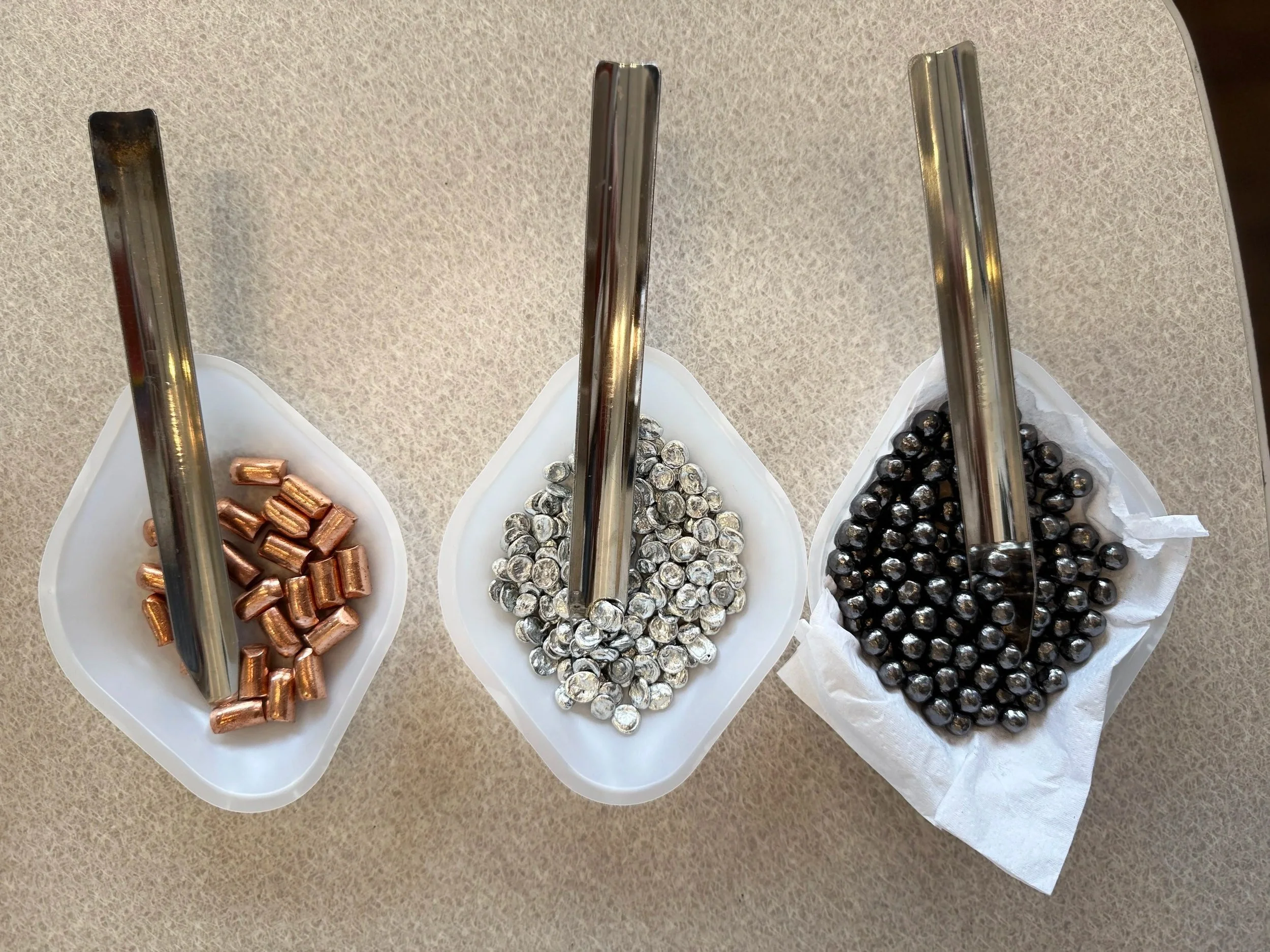
Prerequisite: Watershed IMaterial Science (1 Mod)
Prerequisites: Physics and ChemistrySustainable Food Systems (1 Mod)
Open to all Upper School studentsEcology and the Environment (1 Mod)
Open to all Upper School students
#ExploreEverywhere
The problem fixes the end of thought and the end controls the process of thinking.
~JOHN DEWEY, How We Think
Problem-Based Learning in The Lower School.
At Stone, we prepare young people to expand their interests and skills, form an intellectual identity, seek challenges, and change the world. We hold fast to the belief that no challenge is too big for our students; the only question is how they will choose to approach it.
Our curriculum invites learners to become co-architects of their intellectual journey, guided by nurturing instructors who use child-centered teaching, Socratic discussions, problem-based pedagogy, and frequent opportunities to practice, exhibit, and refine work. You can point out the Stone student in a college classroom: indeed, our students regularly catch the attention of their college professors, even in the first few weeks on campus.
All children deserve a school they love, where they experience an education full of meaning — an education which takes time to develop big ideas, bold thinking, and confident students.
Our curriculum invites learners to become co-architects of their intellectual journey.
-
We tend to practice formative assessments (those that help inform teaching and shape the learning process) more often than summative assessments (final assessments of learning). We test our students’ skills and content proficiency all the time, through a range of methods and always in ways to encourage consistent improvement.
Feedback and assessment should form a dialogue between the student and anyone who evaluates their work. Any assessment of student work is given as constructive criticism, with the expectation that the student uses the feedback to inform a better product. The utility of assessment is not in simply informing the student how successful they were, but instead given as advice for improved iterations of the work.
-
Because we are a problem-based school, our students encounter complex (or "wicked") problems throughout the work they do. We empower our students to grapple with complex problems by supply them with four core problem-solving frameworks:
Systems Thinking
Design Thinking
Entrepreneurial Mindset
The Aristolean Triangle
-
STEM Honors. By invitation/application only. Students in STEM Honors engage in a year-long independent and novel research project that is largely conducted outside of school hours. They are required to produce significant academic artifacts and meet regular deadlines to be allowed to remain in the program and to exhibit on Honors Night. Students who earn STEM Honors will have that achievement designated on their transcripts, as well as be recognized at Commencement.
Humanities Honors. By invitation/application only. Students in Humanities Honors in a self-directed and research-based project outside of the ordinary course offerings of the department. The program requires students to be inquisitive, exploratory, experimental, and bold and exhibit evidence of the most difficult application of the skills-centered work we practice at Stone. Students who earn Humanities Honors will have that achievement designated on their transcripts, as well as be recognized at Commencement.
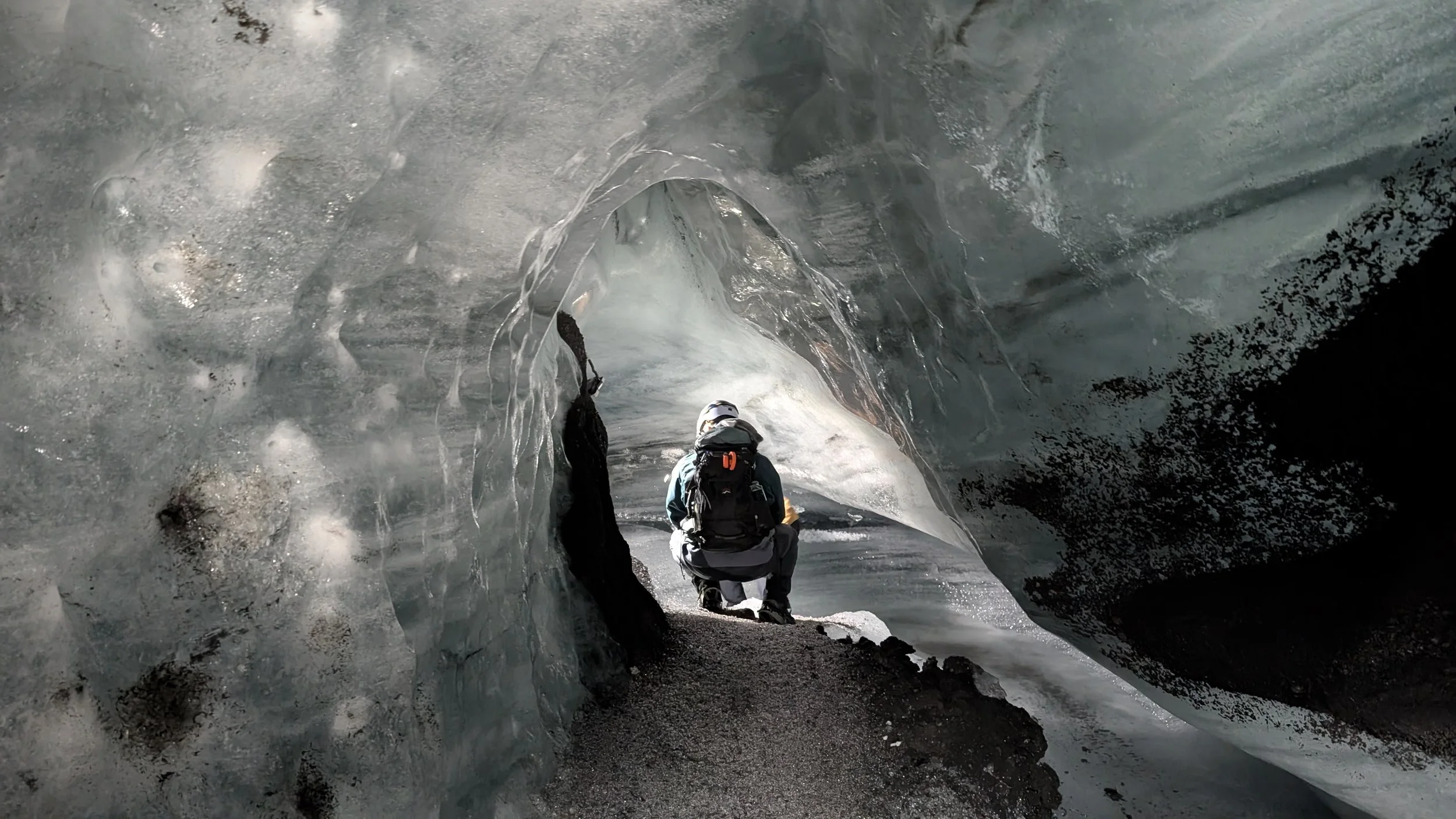
Global/Experiential Education Program. Woven into our 7-12 curriculum. We believe that offering meaningful opportunities for students to dive deeply into academic, social, and cultural learning outside of our our regular coursework cultivates curiosity, empathy, identity, and confidence. We also believe strongly in the power of reflection that experiential learning provides. Several of our students have identified future areas of post-secondary study through our experiential education programs. Recent trips have including spelunking, marine research on a sailboat in the Bahamas, Patagonia rewilding, Icelandic earth science research, and National Parks trekking trips.
Leadership Education Ecosystem.
The Big Curiosity Quest (Sophomore Year). The Big Curiosity Quest. Required for 10th grade students. Born in the spring of 2020 when Stone used the necessary pivot to distance learning to temporarily re-write our curriculum into an interdisciplinary inquiry-based experience, the BCQ is now a one-Mod research course where students are asked to respond to a single, interdisciplinary question in the form of public presentation and exhibition of synthesis. This course requires an intentional practice of being curious, an emphasis on process, and the ability to unpack difficult concepts.
Junior Workshop. Required for 11th grade students. The Junior Workshop is a two-Mod course for which eleventh-grade students create knowledge, insight, beauty and/or function by executing a project which arises out of their own passions. The project requires significant research, but a student’s product may not be a report on this knowledge: they must bring something new into the world. Students are evaluated on their original research, product design, and project management skills. Students must give a 15-minute presentation followed by a 15-minute Q&A from a Faculty Panel to complete the course.
Senior Defense. Required for 12th grade students. Senior Defense is a significant research project that serves as a synthesis of learning, and the defense of a student’s academic and intellectual growth during their time at Stone. Senior Defense is different from a capstone project in that a student is given a personalized question to which they respond in depth. Pre-advising for the question takes place from October to December, questions are sent in March, and in June students must deliver their final response during a 30-minute presentation, defending their process and “product”, followed by a 30-minute Q&A with a Faculty Panel.
Comprehensive, Multi-Year Entrepreneurial Thinking Program. The Stone Independent School is the first school in our region to offer a comprehensive, multi-year, entrepreneurial program. Students are required to take Entrepreneurial Thinking I & II, and they are expected to apply an “entrepreneurial mindset framework” to all challenges they encounter during their time at Stone. We ask them to recognize and act on opportunity, practice making decisions with limited information, and remain adaptable and resilient in conditions that are uncertain and complex.
Physics-First, Integrated Sciences Program. Our 9-11th science program is a physics-first, integrated sciences program, wherein students take physics, chemistry, and biology lab courses each year. Ninth-grade students also take a required science data and measurement course called Structured Curiosity.
-
The Portrait of a Graduate provides direction for our course development. The language of Stone’s Portrait of a Graduate began with faculty describing the hopes and the dreams we had for young people: what would really prepare them for the world into which they’d be released? What would make them independent, well-read, empathetic, creative, and curious? What kind of competencies could ensure effective problem-solving and activate imagination? What would make them strong logical thinkers and confident contributors? How could we decenter the “self” whilst simultaneously cultivating selfhood?
Our goal for all students is that they demonstrate evidence of proficiency or mastery in the core skills of each course they take; their proficiency is assessed through a culture of feedback as well as grading. All of it should align upward: the work our students do in their classrooms serves to help master the skills; the skills they practice enable them to respond to "Big Questions"; those questions serve as trailheads on their journey through the competencies in our Portrait of a Graduate; the Portrait of a Graduate empowers each of us to serve and execute our Mission.
1. Design Thinking. Interacting, reflection, collaborating, incorporating feedback, viewing failure as an opportunity to learn, and acknowledging that innovation requires small successes and frequent mistakes;2. Leadership and Teamwork. Initiating new ideas and leading through influence; facilitating group discussions, forging consensus, and negotiating outcomes; collaborating on tasks, managing groups, and delegating responsibility;
3. Rhetoric. Writing, speaking, and reading across disciplines;
4. Risk-taking and Initiative. Bringing a sense of courage to unfamiliar situations; exploring and experimenting; working effectively in a climate of ambiguity; and cultivating an independence of spirit to explore new roles;
5. Civics. Applying personal communication skills, knowledge of political systems, and the ability to think critically about civic and political life to become engaged citizens.
6. Global Perspectives. Developing open-mindedness, particularly regarding the values and traditions of others; understanding non-western history, politics, culture, and religions; developing facility with one or more foreign languages; developing social and intellectual skills to navigate effectively across cultures; using 21st Century skills to address global issues;
7. Entrepreneurial Mindset. Using creativity and imagination to solve problems; recognizing and acting on opportunity; being capable of making decisions with limited information; remaining adaptable and resilient in conditions that are uncertain and complex.
8. STEM Literacy. Identifying, applying, and experimenting with integrated concepts from science, technology, engineering and mathematics to describe and solve complex problems.
Our Guiding Principles.
While the details of our Lower School program will continue to evolve, they are firmly grounded in these guiding principles:
Education should be joyful, challenging, and rooted in curiosity. School is not a place to pause on passion until the textbook is closed; it is where children uncover their gifts.
Challenge and complexity are not obstacles but invitations, and children embrace them when supported in a nurturing environment.
Intentional design – of culture and curriculum – builds courage and capacity. Around Stone, you’ll often hear us say: everything is curricular, and the way we do anything is the way we do everything. Learning is constant, fluid, recursive, and not limited to 45 minute content blocks.
Children must learn to trust themselves, believe in their voices, and recognize the power of their agency as they make sense of the world.
Inquiry-based learning lays strong academic foundations while cultivating reflection, ownership, and responsibility for growth.
Growth mindset, emotional intelligence, and compassion aren’t extras: they’re essentials for the world our students will inherit.
Clear benchmarks for learning and ongoing, clear communication with parents make families true partners in this journey.
Every child deserves an active, social, and engaged learning experience.
A connection to the natural world – and to the rich biodiversity of Lancaster county – shapes both a sense of place and a sense of self.
The arts – vocal, performing, and visual – are central to developing creative problem-solvers, keen observers, and confident communicators.
Team sports and healthy competition grow resilience, empathy, and connection.
Partnerships with experts in diverse fields help children build aspiration, real-world understanding, and social capital, which we believe lie at the heart of a strong and involved citizenry.
A culture of feedback fosters authentic learning, while passive tasks do not.
Global perspectives and world language nurture empathy and humility.
Children thrive when they learn the connection between body and mind, when they practice healthy living and social-emotional self care.
A safe and peaceful community must welcome diverse perspectives and celebrate both commonalities and differences.
We can’t wait to meet your family.
We are excited to introduce you to our vibrant and diverse community – here at Stone, we are dedicated to creating a college preparatory learning environment that inspires creativity, critical thinking, and personal growth for dynamic students who seek to cultivate a spirit of independence.
Our admissions process is designed to be comprehensive and welcoming, ensuring that we get to know each prospective student and family.
We invite you to explore and discover what makes our school unique, and we look forward to the possibility of welcoming you to this remarkable and remarkably creative community. As you have questions, please reach out – otherwise know how much we’re looking forward to working with you!
The Admissions Team
Mike Simpson (Head of School) + Melissa Groff
Enrollment begins now.
In gratitude and partnership.
The Stone Independent School and Solvit Academy are excited to announce a strategic merger that will bring together Lancaster’s most innovative educational communities — creating a unified K–12 institution unlike anything else in Pennsylvania!
The partnership builds on years of shared vision and a belief that students learn best by doing. Solvit’s strength in mixed-age, experiential classrooms and Stone’s expertise in problem-based, interdisciplinary education come together to form a seamless experience where students are known deeply, are seen and cared for, are challenged fully, are empowered to think critically about the world around them.
Read more.
“Uniting our communities ensures we preserve what makes each school special while expanding opportunities for every learner.
I am thrilled to continue this
work as a member of The Stone Independent School’s Board of Trustees and to help build a truly 21st century model of education.”
Melissa Groff
Current Head of School
at Solvit Academy
“Lancaster has been a laboratory for educational innovation for nearly three centuries.
This merger marks a remarkable new chapter in that story. By uniting these two schools with such strong and complementary philosophies, we’re creating a unique K–12 environment where students can pursue their passions, develop their voices, and prepare to make an impact in the world.”
Mike Simpson
Head of School
Stone at Work.
Research & Design
Our central goal is teaching students to learn authentically and transferably, so that they continue to grow long after their time in our classrooms. That is why we refer to ourselves as a Research and Design School: because these two practices anchor our pedagogy and define our vision of learning.
Just as an athletic coach trains athletes by guiding them through repetitions until skill becomes second nature, our faculty coach students toward intellectual proficiency. This process — practice, correction, mastery — cultivates the ability to evaluate, analyze, synthesize, and create. Without coaching, growth stalls; with it, students gain the capacity to think critically and engage authentically with the world.
This approach is radically different from the schooling many of us experienced, where the teacher (or the textbook) dictated the questions and the student’s only audience was the grader.
Here, students’ voices are not quiet, they are central.
Their questions matter, their work has real audiences, and their growth is measured not by compliance but by creativity and critical thought. Inquiry and creation are how students learn best, and it’s how they will learn that they have agency and voice to design the world in which they want to live.